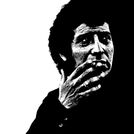
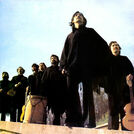
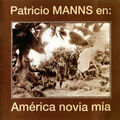
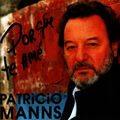
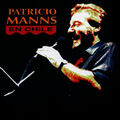
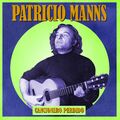
Patricio Manns—born Iván Patricio Eugenio Manns de Folliot on August 3, 1937, in Nacimiento, Chile—emerged in the late 1950s as a gifted poet and folk composer, first gaining national acclaim with his 1965 anthem “Arriba en la Cordillera,” from the album Entre mar y cordillera, which became emblematic of the Nueva Canción movement. His early work included collaborative projects like El sueño americano (1966) with Voces Andinas and the socially charged ¡El folclore no ha muerto, mierda! (1968) with Silvia Urbina. Patricio Manns balanced music and journalistic ventures while championing left-wing politics in Chile, then spent nearly two decades in exile—first in Cuba, where he recorded Canción sin límites (1977) and worked on the film La cantata de Chile, and later in Europe, founding Karaxú and collaborating with Inti-Illimani on politically potent albums like Con la razón y la fuerza (1982) and La muerte no va conmigo (1985). The return of democracy allowed him to resume his solo career with acclaimed records: Porque te amé (1998), Allende: la dignidad se convierte en costumbre (2003), La tierra entera (2010), and La emoción de vivir (2016). His songwriting earned him top honors, including the Viña del Mar folkloric award with “De Pascua Lama,” Chile’s President’s Music Prize, and the Altazor Prize. Until his passing on September 25, 2021, Patricio Manns remained active in music and literature, celebrated as both a musical innovator and a powerful cultural voice in Chile and Latin America.