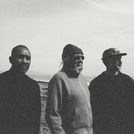
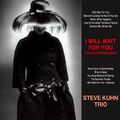
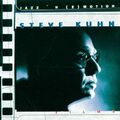
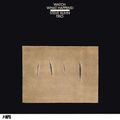
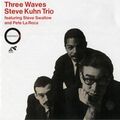
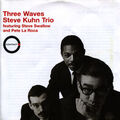
Jazz pianist, composer and arranger Steve Kuhn was born in Brooklyn, New York on March 24, 1938. He began studying the piano at the age of 5 and was taught the ‘Russian style’ of playing by Boston piano teacher Margaret Chaloff. Early in his training, he began to incorporate classical elements into his playing. In his teens, be started playing local jazz clubs with iconic players such as Coleman Hawkins and Chet Baker. Steve Kuhn graduated from Harvard before enrolling in the Lenox School of Music. During his time there, he associated with Bill Evans, Ornette Coleman, Don Cherry, Gary McFarland, and members of the Modern Jazz Quartet. He learned new and innovative ways to approach music during his time, leading to an extended stay in trumpeter Kenny Dorham’s group. He was also a member of John Coltrane’s quartet for a short time. Steve Kuhn became a popular sideman for many high-profile artists including Stan Getz, Ron Carter, Art Farmer, and more. In the mid-1960s, he formed the Steve Kuhn Trio featuring Steve Swallow (bass) and Pete La Roca (drums). They released their first album, Three Waves, in 1966 before he moved to Sweden in 1967 and formed a new trio. Watch What Happens (1968) featured the new line-up although by the following year, Steve Swallow was back on bass for Childhood Is Forever (1969). Steve Kuhn didn’t work with his trio again until 1986’s The Vanguard Date featuring Ron Carter (bass) and Al Foster (drums). The Steve Kuhn Trio continued to record sporadically over the next three decades, often with different line-ups that included David Finck (bass). Steve Kuhn reunited with bassist Steve Swallow for a series of new trio albums including Wisteria (2011), At This Time (2015), and To and From the Heart (2017).