Gregorio Allegri was an Italian singer and composer who was born in 1582 in Rome, then part of the États pontificaux. He studied music and singing at the church of Saint-Louis-des-Français between 1591 and 1596 and served as a singer there from 1601 to 1607. He worked as the maître de chapelle at Fermo Cathedral from 1607 to 1621 before being appointed to the Sistine Chapel choir in 1629 by Pope Urban VIII. Allegri remained in this position until his death and was elected maître de chapelle in 1650. He is famous for the composition “Miserere” (1638), a polyphonic work based on Psalm 50 that is performed annually during Holy Week at the Sistine Chapel. His other works include the collections Concertini (1618) and two volumes of motets (1621). He also composed five masses and the symphonic work Sinfonia, which is noted as one of the first autonomous works for string instruments. Allegri died in 1652 in Rome.
|
Baroque - The Essentials
|
|
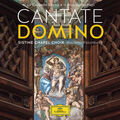
Cantate Domino - La Cappella Sistina e la musica dei Papi
|
|
Allegri: Miserere; Missa Cantantibus organis etc.
|
|
Allegri: Miserere; Tallis: Lamentations of Jeremiah & other Renaissance Masterpieces
|
|
The Music of St Paul's Cathedral
|
|
Exultate Deo: Masterpieces of Sacred Polyphony
|
|
Hear My Prayer, Allegri's Miserere and other Choral Favourites from St Paul's Cathedral
|
|
Miserere mei Deus
|
| Relaxing Classics |
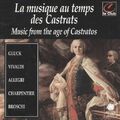
| La musique au temps des castrats - Astrée Recordings |
| Deep Relax: A Classical Sanctuary |
| Great Sacred Choruses |
| Early Music Bangers - Unequal Temperament, Equal Energy |
|
Naked Byrd
|

| Baroque Treasures - Hallelujah |