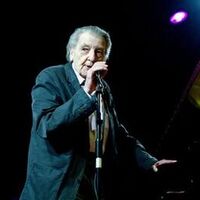
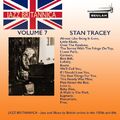
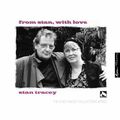
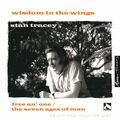
Stan Tracey CBE – born in Denmark Hill, South London, England on December 20, 1926 – was a jazz pianist and composer often referred to as the ‘Grandfather of British Jazz’. Stan Tracey played a key role in forging a distinctive sound for the UK jazz scene and inspired British musicians to focus on original material over cover versions. He became a professional musician at the age of 16, as an accordion player, which was his first instrument. Three years later, he was playing in Ralph Reader’s Gang Shows while he was a member of the Royal Air Force (RAF), which then led to playing in several bands in the early 1950s, touring the UK with Cab Calloway in 1951. He began playing with British modernists including trumpeter Dizzy Reece, saxophonist Kenny Graham and many others. He joined Ronnie Scott’s group in 1957 and toured the United States. Stan Tracey then spent two years – 1958 and 1959 – playing piano and vibes in Ted Heath’s Orchestra. He released Showcase, his debut album as a leader, in 1958. As the house pianist at Ronnie Scott’s Jazz Club in Soho, London from 1960 to 1967, he accompanied many of the jazz greats that would perform at the club including Sonny Rollins, who became an admirer. Busier than ever, he also found time to continue his solo career – the iconic Jazz Suite Inspired by Dylan Thomas' Under Milk Wood (1965), The 7 Ages of Man (1970), Alone at Wigmore Hall (1974), TNT with British pianist Keith Tippett (1976) and Under Milk Wood with actor Donald Houston (1976) – while also dealing with financial and substance issues. The 1970s were tough for Stan Tracey but he still managed to perform and record, set up his own label, and pursue a more experimental jazz style alongside artists like Keith Tippett, John Surman, and others. He led several bands in different formations – including sextets and octets - in the late 1970s and 1980s and signed with Blue Note Records in the early 1990s, releasing the Mercury Prize-nominated Portraits Plus in 1992. During his career, Stan Tracey was appointed as both the Officer of the Order of the British Empire (OBE) and Commander of the Order of the British Empire (CBE). He died of cancer on December 6, 2013 at the age of 86.