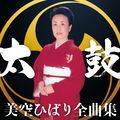
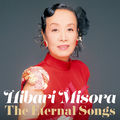
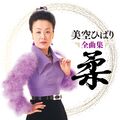
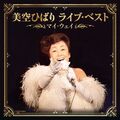
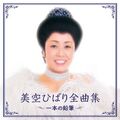
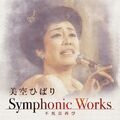
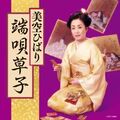
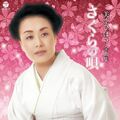
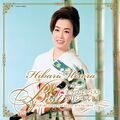
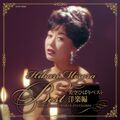
Hibari Misora, born Kazue Katō on May 29, 1937, in Isogo-ku, Yokohama, Japan, is a singer and actress. She began her musical journey at the age of six, singing for her father at a World War II send-off party. In 1945, she made her debut at a concert hall in Yokohama under the name Hibari Misora, which means "lark in the beautiful sky." Her first single "Kappa Boogie-Woogie" was released in 1949 and became a commercial hit. Misora's career spanned over three decades, during which she recorded more than 1,200 songs. She starred in numerous films, including Nodojiman-kyō jidai (1949) and Tokyo Kid (1950), the latter of which earned her national recognition. Her notable albums include ひばり端唄草紙 Hibari Hauta Zōshi (1958) and オリジナル・ヒットと懐メロと (1970). Misora's final album, オリジナルベスト50, was released posthumously in 1996. She received a Medal of Honor for her contributions to music and improving public welfare. Her swan-song "Kawa no Nagare no Yō ni" has been performed by numerous artists as a tribute. Misora passed away on June 24, 1989.