Yoshie Kashiwabara, born 柏原芳恵 on October 1, 1965, in Osaka, Japan, is a Japanese pop singer and actress. She rose to fame as a teen idol in the early 1980s, making her singing debut with the single "No.1" at the age of 14 after winning the Star Tanjo contest in 1979. Kashiwabara's breakthrough came with her seventh single "Hello Goodbye", which reached number 10 in autumn 1981 and brought her instant fame. In 1982, all four of her singles that year made it into the top 10, but she was surprisingly not selected for the year-end NHK Red and White Song festival. Despite this setback, Kashiwabara continued to work hard, acting in dramas and eventually being selected for the 1983 Red and White Song Festival.
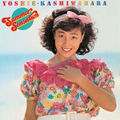
One of her biggest hits, "Haru na no ni", composed by Miyuki Nakajima, was released in spring 1983 and remains one of the most popular graduation-themed songs in Japan. This period also saw the release of several notable albums, including ハロー・グッバイ ("Hello Goodbye") and 春なのに ("Spring Yet"), which further cemented her status as a teen idol. In 1985, Kashiwabara attempted to shed her teen idol image by adopting a more mature and sexy persona. Her hit song "Shinobi no Ai" featured controversial posters that were quickly stolen from public display. This period also saw her return to the stage of Kōhaku Uta Gassen for a second appearance.
From 1986 onwards, Kashiwabara began writing lyrics for her own songs but faced declining popularity in the competitive Japanese music industry. She then shifted focus to acting and released numerous photography albums featuring her in swimsuits and lingerie. After temporarily suspending her music activities post-1990, she returned with an enka cover-album Encore in 2007 under Freeload agency. In 2020, to commemorate her 40th singing debut, Kashiwabara released the new single "Ku・zu:Watashi no Kare". Throughout her career, Kashiwabara produced 18 top-ten singles from 1981 to 1986 and was nominated for the best singing female artist for three consecutive years (1985–1987). In 2011, she was ranked 40th in a special program by Music Station counting down the Top 50 Idols of All-Time based on sales total. Kashiwabara also represented Japan at the 1986 ABU Popular Song Contest.
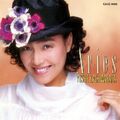
Kashiwabara's discography includes numerous albums and singles that span her career, showcasing her evolution as an artist. Notable albums include A・r・i・e・s, FALL IN LOVE 柏原芳恵 BEST SELECTION II, and THE BEST. Her contributions to Japanese pop music have left a lasting impact, and she continues to be celebrated for her work.