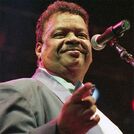
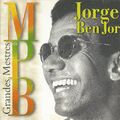
Jorge Ben Jor, born Jorge Duílio Lima Menezes on March 22, 1939, in Rio de Janeiro, began making music long before he became one of the defining names in Brazilian popular song. Raised between Madureira and Rio Comprido, he grew up in a musical household, sang in church, played pandeiro in Carnival groups, and for a time was just as serious about football, even spending part of his youth in Flamengo’s junior setup. As a teenager he was drawn to samba, rock and roll, and American black music, and once his mother gave him a guitar, he started playing at parties and clubs around Rio. In 1963, he broke through with “Mas, Que Nada!,” the song that introduced his swinging, conversational style and led to his debut album Samba Esquema Novo. He followed it with a long run of essential records, including Sacundin Ben Samba (1964), Jorge Ben (1969), Fôrça Bruta (1970), A Tábua de Esmeralda (1974), and África Brasil (1976), while songs such as “Chove Chuva,” “País Tropical,” “Take It Easy My Brother Charles,” “Taj Mahal,” “Filho Maravilha,” and “Ponta de Lança Africano (Umbabarauma)” became central to his catalog. In 1989 he adopted the name Jorge Ben Jor and continued into later decades with albums such as Benjor (1989), 23 (1993), Reactivus Amor Est (2004), Recuerdos de Asunción 443 (2007), Salve Jorge (2010), and Sonsual (2014). In 2005 he received the Latin Recording Academy Lifetime Achievement Award, and he has remained active onstage, including recent Salve Jorge performances in Brazil.